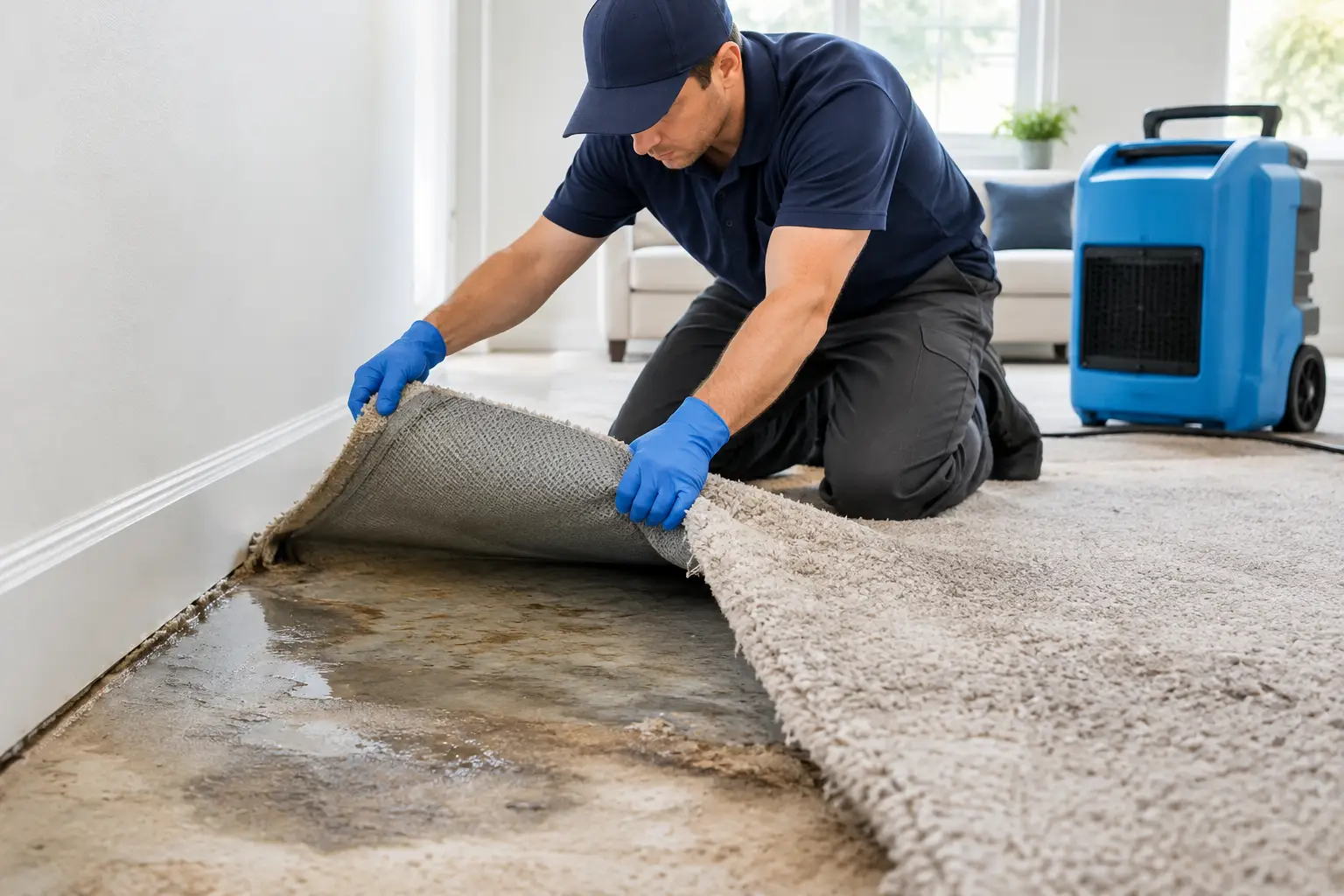
When to Remove Wet Carpet After Water Damage
When can wet carpet be dried, and when might removal be necessary? Learn how water source, elapsed time, padding and subfloor conditions affect the decision in Greater Seattle.
Read guidance
Restoration guidance
Plain-language field guidance for homeowners, property managers, facilities teams, and community members across the Greater Seattle metropolitan area.
AWDR field notes
These articles explain practical decisions and scope boundaries. They do not replace emergency services, an on-site assessment, engineering, environmental testing, plumbing advice, or insurance coverage decisions.
When can wet carpet be dried, and when might removal be necessary? Learn how water source, elapsed time, padding and subfloor conditions affect the decision in Greater Seattle.
Read guidance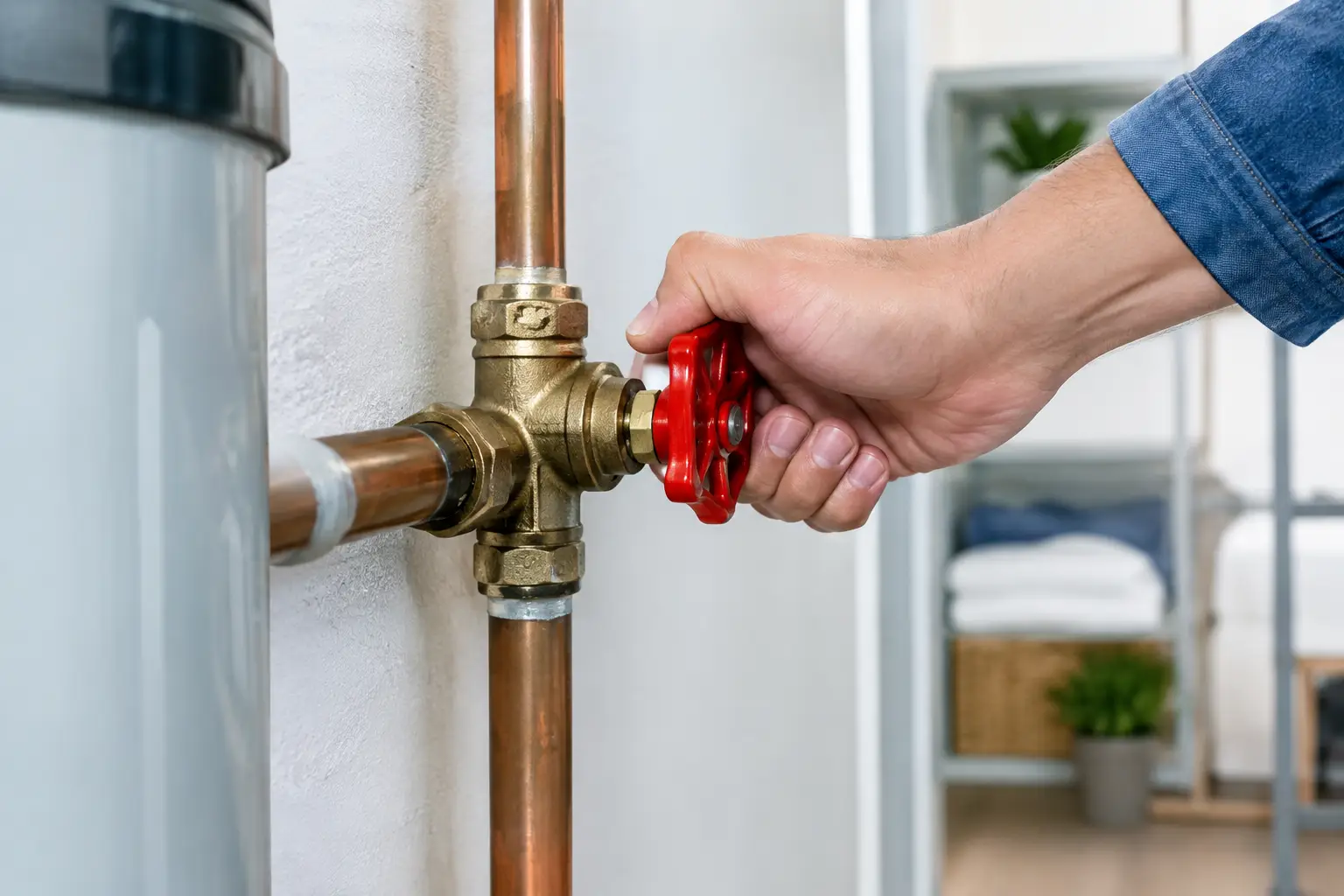
Identify a safe, accessible domestic-water shutoff before a leak, understand fixture versus main valves, and know when to call a plumber or water utility.
Read guidance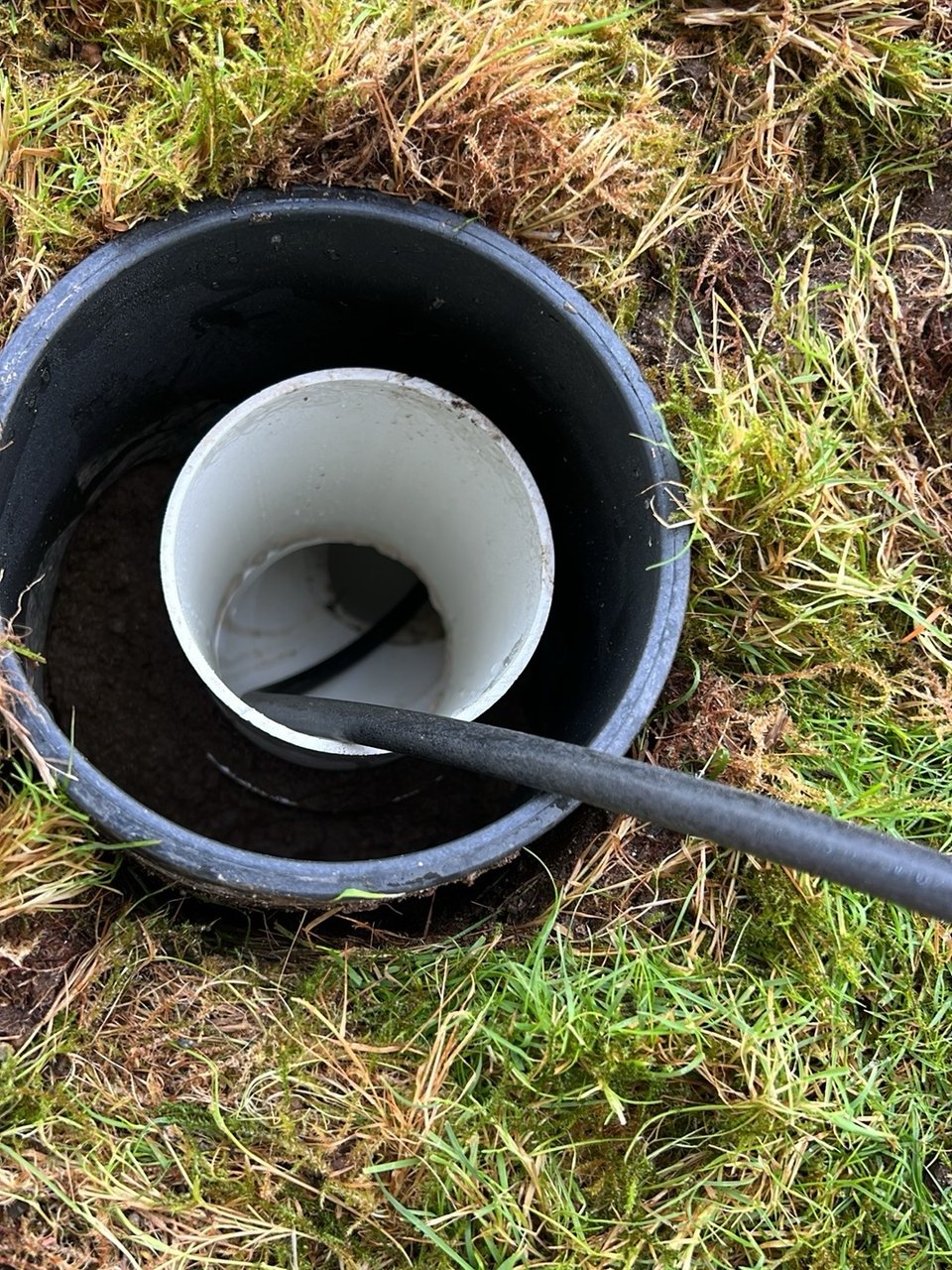
A few details about access and past drain problems can make the service discussion more useful. Here is what to have ready before the crew arrives.
Read guidance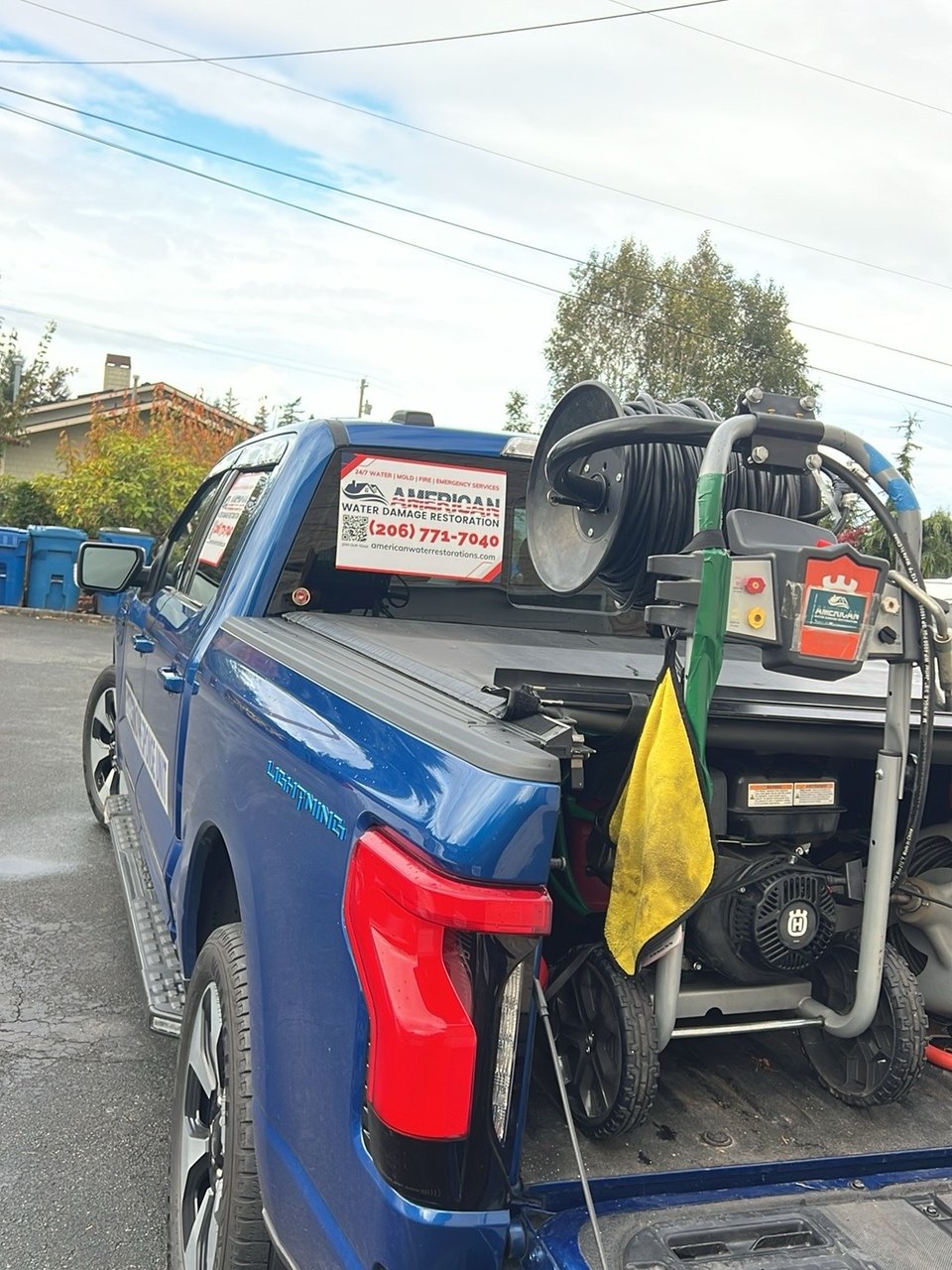
Two drain-cleaning quotes can describe very different work. Compare the obstruction, pipe condition and proposed method before choosing.
Read guidance
Understand what a mold clearance report can tell you, why moisture and visual checks matter, and which questions to ask before rebuilding.
Read guidance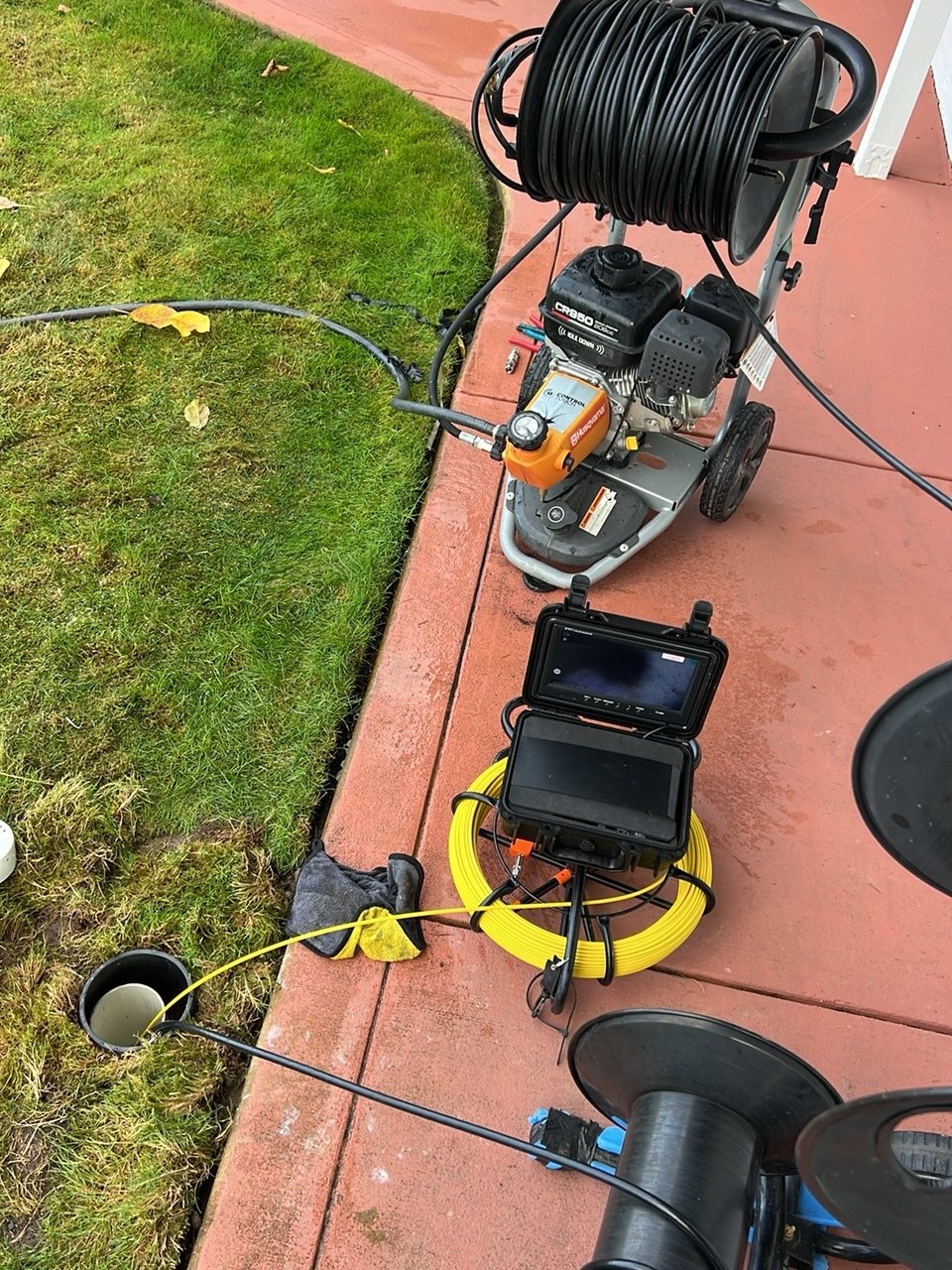
A recurring drain blockage deserves a closer look. Here is how water jetting works, why pipe condition matters, and what to ask before approving service.
Read guidance
Understand mitigation and reconstruction roles after property damage, which questions to ask, and how to coordinate qualified trades and repairs.
Read guidance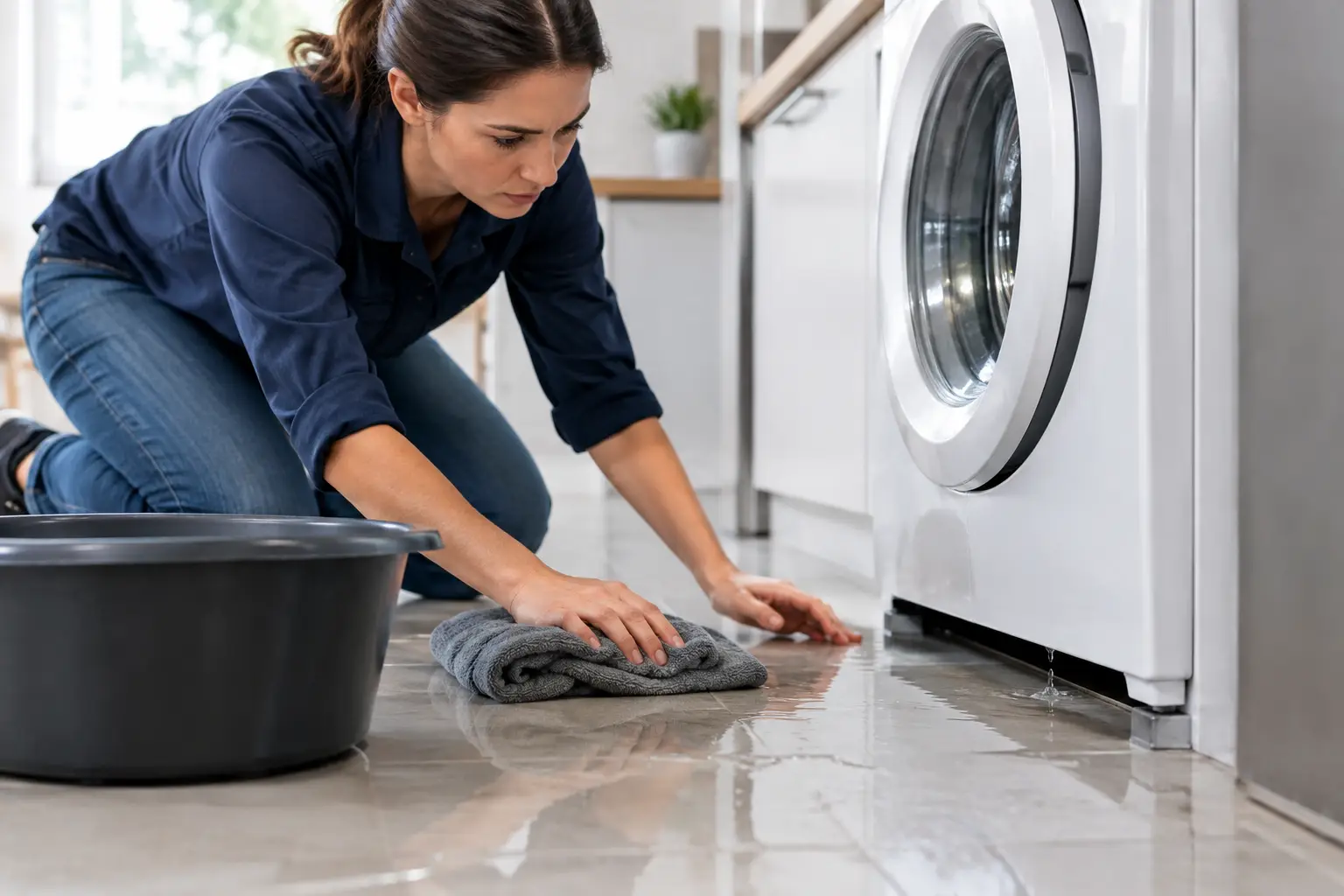
An appliance leak can affect more than the visible floor. Learn safe first steps, moisture checks, drying documentation and repair handoffs.
Read guidance
A practical flood-readiness guide for Greater Seattle property teams: safe access, emergency roles, drying decisions and loss documentation.
Read guidanceAfter a washing-machine supply leak, record where water traveled and which materials were affected before repairs hide the evidence.
Read guidance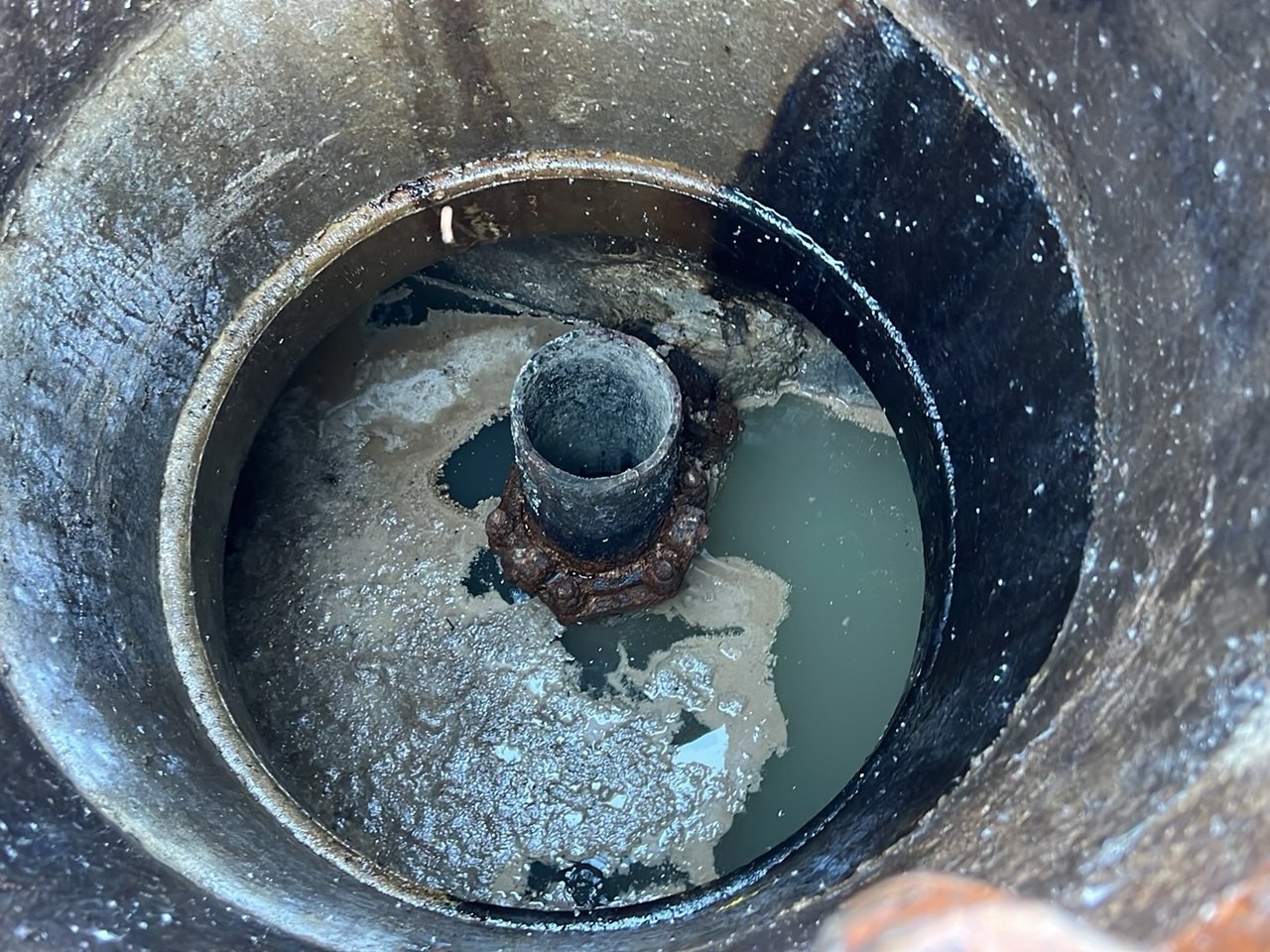
Tell AWDR what you see near a drain or water-affected area. Practical guidance for a useful first conversation about leaks, extraction and drying.
Read guidance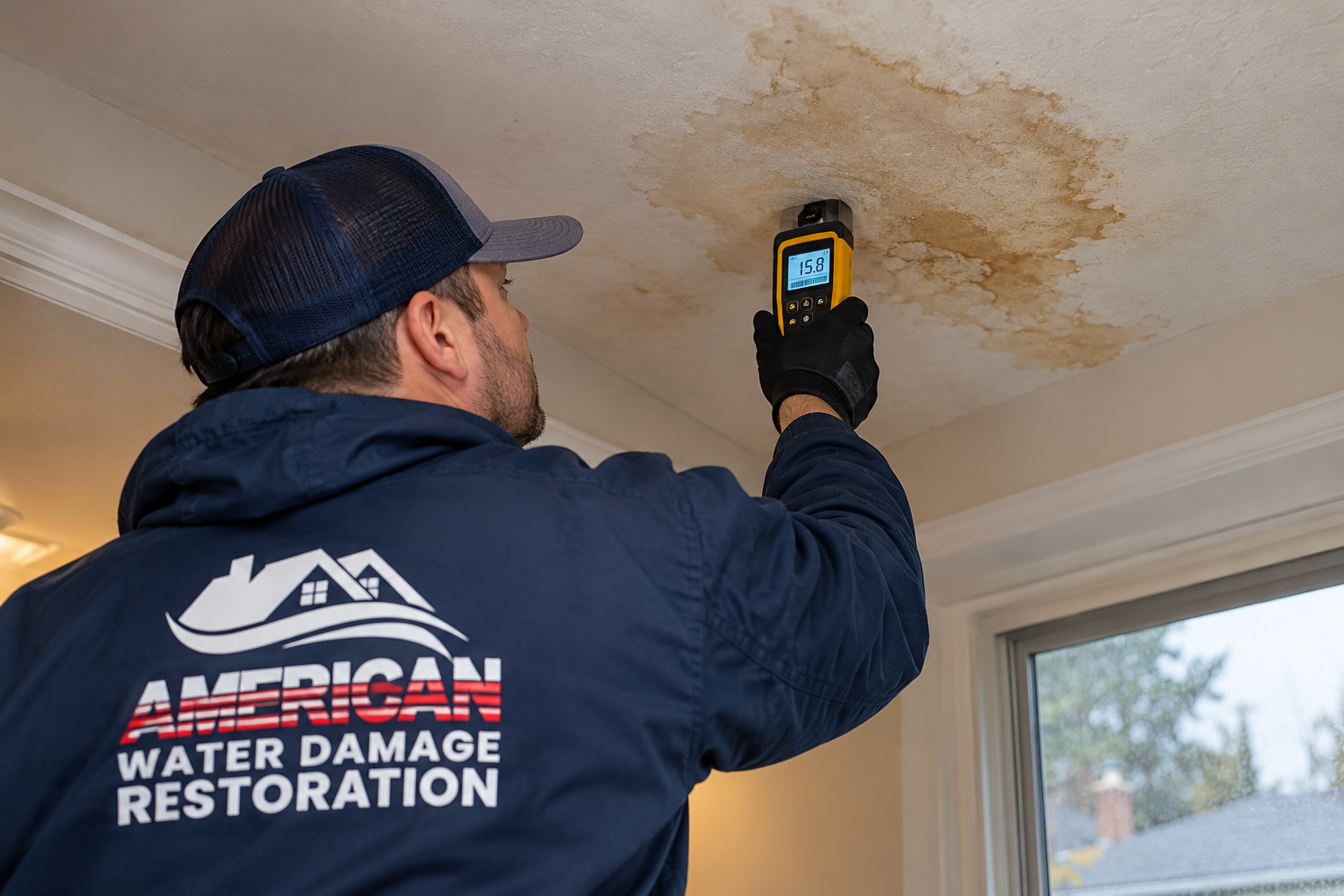
A ceiling stain may be the first visible clue of a roof, plumbing, condensation, or exterior water-intrusion problem. Here’s what Greater Seattle homeowners should check before repairing the appearance.
Read guidance
A practical first-hour checklist for property owners and occupants after a leak, overflow, or water intrusion.
Read guidance
What extraction, moisture mapping, drying equipment, monitoring, and documented completion mean on a water-loss project.
Read guidance
Common warning signs, inspection priorities, and next steps for damp crawlspaces in King and Snohomish Counties.
Read guidance
A plain-language explanation of source control, isolation, HEPA filtration, material removal, cleaning, and verification support.
Read guidance
How camera inspection and locating support drain decisions—and where licensed plumbing work begins.
Read guidance
The photographs, readings, logs, authorization records, and progress updates that make multi-party restoration work easier to manage.
Read guidanceA growing community resource
Topics will focus on safe first steps, how restoration work is documented, service boundaries, and questions property owners can ask before authorizing work.