
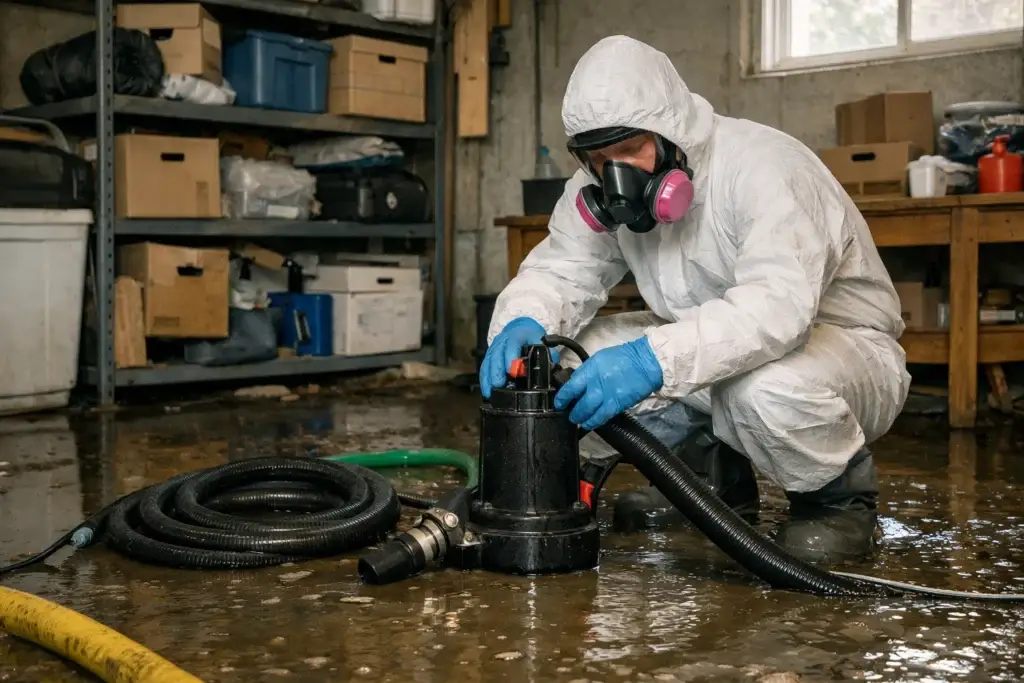
Imagine walking down into your basement or opening your bathroom door only to be met with a sight, and a smell, that turns your stomach. Sewage backup is more than just an inconvenience; it is a property owner’s worst nightmare. In a city like Seattle, where heavy rainfall and aging infrastructure can overwhelm drainage systems, knowing how to handle sewage backup cleanup in Seattle is critical for your health and your wallet.
Before you pick up the phone to call your insurance agent, there are several things you need to understand. Insurance claims for sewage are complex, and a single misstep can lead to a denied claim or lingering health hazards in your home. At American Water Damage Restoration, we have spent years acting as the bridge between homeowners and insurance companies, ensuring that families stay safe and properties are restored to their pre-loss condition.
In the restoration industry, we categorize water based on its level of contamination. Sewage falls into Category 3, commonly known as “Black Water.” This is the most dangerous classification of water damage. It contains pathogenic agents, bacteria, viruses, and parasites that can cause serious illness or even death if not handled correctly.
When you are dealing with sewage backup cleanup in Seattle, you aren’t just cleaning up a mess; you are performing a biohazard remediation. This is why insurance companies are often hesitant to cover DIY attempts. They want to ensure the property is professionally sanitized to avoid future liability. Understanding the severity of Category 3 water is the first step in realizing why professional intervention is non-negotiable.
Most insurance policies contain a clause regarding the “duty to mitigate.” This means that as the property owner, you are legally required to take reasonable steps to prevent further damage from occurring after a loss. If you wait three days to call for sewage backup cleanup in Seattle, and mold begins to grow, the insurance company may deny the mold portion of the claim because you failed to act quickly.
Time is of the essence. The longer sewage sits, the more it seeps into porous materials like drywall, insulation, and subflooring. By calling our 24/7 water removal services, you demonstrate to your insurance provider that you are taking the necessary steps to protect the property and minimize the total claim cost.

This is the most shocking discovery for many Seattle residents. A standard homeowners insurance policy typically covers “sudden and accidental” water discharge (like a burst pipe), but it often excludes backups from sewers or drains unless you have a specific “Sewer Backup Rider” or “Sewer Overflow Endorsement.”
Before filing a claim, you should check your policy for this specific coverage. If you aren’t sure where to look, consulting with local water damage insurance experts can help you understand your coverage limits before you potentially trigger an “uncovered” claim on your record.
It is a natural instinct to want to start scrubbing immediately. However, for an insurance claim to be successful, you need proof of the extent of the damage. Once the water is gone and the contaminated materials are hauled away, it is much harder to prove the severity of the loss to an adjuster.
Before we begin the sewage backup cleanup in Seattle, our team at American Water Damage Restoration performs a comprehensive assessment. We document the water levels, the affected materials, and the source of the backup. If you must move items before we arrive, take clear photos and videos of everything in its original, saturated state.
In Seattle, the responsibility for a sewage backup depends on where the blockage occurred. If the backup was caused by a clog in the main city sewer line, Seattle Public Utilities (SPU) might be involved. However, SPU typically does not enter private residences to perform cleanup.
If the blockage is in your side sewer (the pipe connecting your house to the city main), the responsibility lies solely with the homeowner. Regardless of who is at fault, the immediate emergency water damage restoration services must be handled by a private professional to ensure the biohazards are neutralized.
When dealing with Category 3 Black Water, the industry standard (set by the IICRC) is that most porous materials must be removed and discarded. This includes:
Some homeowners try to “save” these items to keep insurance costs down, but this is a dangerous mistake. Harmful bacteria can live deep inside these materials long after they feel dry. Our water damage restoration process focuses on total decontamination to ensure your home is actually safe, not just “clean-looking.”
Sewage backups provide the perfect environment for mold spores to colonize. You have a very narrow window, typically 24 to 48 hours, before mold growth becomes a secondary, and often more expensive, problem. Insurance companies may have separate, lower limits for mold remediation than they do for water damage.
By initiating professional water removal services in Seattle immediately, you stop the clock on mold growth. We use high-grade antimicrobial treatments and industrial-strength dehumidifiers to ensure the environment is hostile to fungal growth.
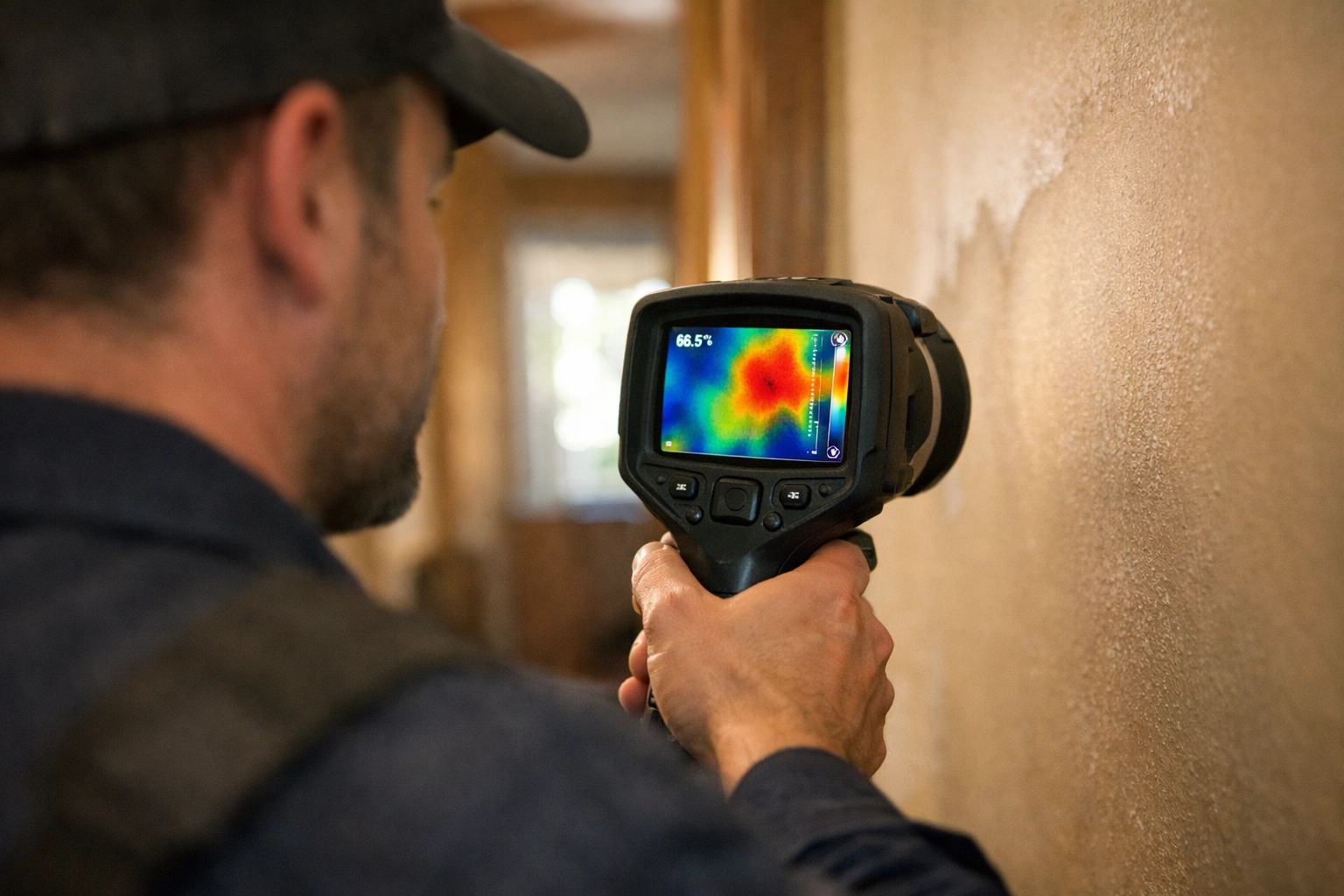
You cannot tell if a subfloor or a wall stud is dry just by touching it. Insurance companies require scientific proof of drying to close a claim. Professionals use moisture meters and thermal imaging cameras to track the “drying goal.”
Without these logs, your insurance company might argue that the job wasn’t done correctly, leading to future claims being denied. We provide the full documentation package required by adjusters, proving that the sewage backup cleanup in Seattle was performed to the highest industry standards.
While insurance focuses on the “bricks and mortar,” we focus on the people living inside them. Exposure to sewage can lead to:
If anyone in your home is elderly, very young, or immunocompromised, they should be evacuated from the property immediately until the mold removal and remediation services and sewage sanitization are complete. Do not risk your health for a DIY project.
Your insurance company might “suggest” or “prefer” a specific restoration company. However, in the state of Washington, you have the right to choose whichever contractor you feel most comfortable with.
You want a partner who is local, understands the specific challenges of Seattle homes, and has a proven track record. At American Water Damage Restoration, we work for you, not the insurance company. Our goal is to advocate for the best restoration possible, ensuring no corners are cut during the reconstruction services phase.
Q: Can I clean up a small sewage backup myself with bleach?
A: We strongly advise against it. Bleach can kill some surface bacteria, but it does not neutralize all pathogens found in Category 3 water, and it can react poorly with other chemicals in the sewage. Furthermore, without professional drying equipment, you are almost guaranteed to have mold growth behind your walls.
Q: How long does the cleanup process take?
A: Typically, the extraction and sanitization phase takes 1-2 days. The structural drying phase usually takes an additional 3-5 days. If bathroom water damage restoration or reconstruction is needed, the timeline will extend based on the scope of the repairs.
Q: Will my insurance rates go up if I file a claim?
A: This depends on your provider and your claims history. However, the cost of paying for a professional sewage cleanup out of pocket is often significantly higher than a potential premium increase. More importantly, failing to clean it properly can lead to a total loss of property value.
Q: What if the backup happened in my basement?
A: Basements are particularly prone to backups during Seattle storms. We offer specialized storm damage repair services to handle the unique challenges of basement flooding and sewage overflows.
Q: Do you offer reconstruction services after the cleanup?
A: Yes. We are a full-service restoration company. Once the area is dry and sanitized, we can handle everything from bathroom remodeling to full structural repairs to get your home back to normal.
A sewage backup is a crisis, but it doesn’t have to be a catastrophe. By understanding these 10 points and acting quickly, you can protect your health and ensure your insurance claim is handled correctly.
If you are facing a sewage emergency, don’t wait for the damage to spread. American Water Damage Restoration is here to help you navigate the mess and the paperwork. Contact us today or submit our form for immediate assistance with sewage backup cleanup in Seattle. We are your partners in restoration, available 24/7 to bring your home back to life.