Rapid Water Extraction vs. Old-School Drying: What’s Best for Your Water Damage?
Every moment standing water remains after a leak or flood doubles the risk of mold and structural compromise, making immediate action absolutely critical.
Mold’s Quick Takeover After
Water Damage
Mold can begin to form in as little as 24 hours post-water damage, finding purchase on numerous common household materials. This makes swift intervention essential to halt its spread.
Vertex AI Search, Strategies for Prevention and Remediation (2025)
Advanced water extraction and drying leverage industrial-grade pumps, dehumidifiers, air movers, thermal imaging, and psychrometric controls to banish moisture in a fraction of the time traditional mops and fans require. In this guide, you’ll uncover:
- The fundamental distinctions between professional rapid extraction and outdated drying methods
- Why cutting-edge techniques speed up restoration, deter mold, and safeguard your property
- The unseen risks of slow evaporation and why urgency is paramount in Edmonds, WA’s climate
- The state-of-the-art equipment, scientific approaches, and industry benchmarks that guarantee thorough drying
- How trusted specialists provide 24/7 emergency support, insurance assistance, and lasting peace of mind
By comparing both methods head-to-head, you’ll grasp why rapid water extraction and drying offers superior defense for homeowners and businesses facing water damage.
What Are the Key Differences Between Rapid Water Extraction and Traditional Drying Methods?
Rapid water extraction employs specialized machinery and scientific monitoring to eliminate bulk water and residual dampness, significantly cutting down drying time and preventing secondary issues like mold proliferation. Traditional drying methods rely on basic tools and ambient conditions, often leaving behind hidden moisture and extending restoration timelines. For instance, a truck-mounted pump can remove thousands of gallons in mere hours, while mops and buckets might take days to clear the same volume of water.
How Does Rapid Water Extraction Work?
Rapid water extraction operates by deploying high-capacity pumps and vacuums that forcefully draw out standing and trapped water from carpets, subfloors, and structural cavities. Technicians position submersible pumps at the lowest points of water accumulation, while truck-mounted units maintain constant suction via hoses. Once bulk water is removed, specialized vacuum wands extract remaining moisture from porous materials, creating a dry substrate ready for advanced drying equipment.
A meticulously sequenced extraction process transitions seamlessly into targeted drying, ensuring every moisture pocket is addressed and preventing hidden dampness that can lead to mold and material decay.
What Are Traditional Water Drying Methods?
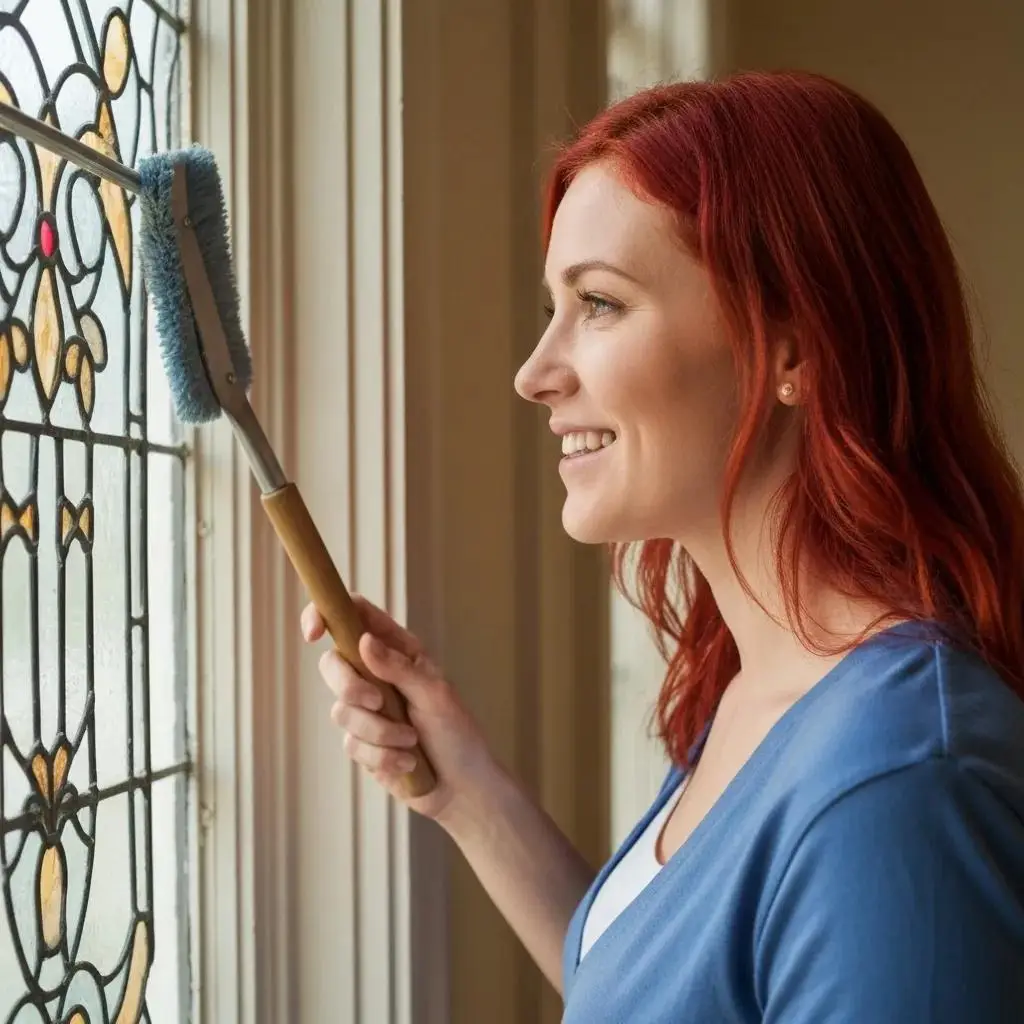
Traditional water drying methods involve manual removal using buckets and mops, followed by household fans or open windows to boost airflow. Homeowners might resort to towels and portable box fans to circulate ambient air. Without precise moisture measurements or controlled humidity, this approach frequently fails to reach hidden water pockets beneath flooring or within wall cavities.
Although seemingly inexpensive and simple to implement, these basic techniques often leave behind residual moisture that compromises material integrity over time.
What Are the Limitations of Traditional Drying?
While conventional drying appears straightforward, it suffers from slow evaporation rates, inconsistent airflow, and incomplete moisture removal. Slow drying extends the exposure time for building materials, potentially causing warping, swelling, or delamination. Without moisture mapping or thermal detection, hidden damp spots remain unaddressed until mold surfaces weeks later.
Key limitations include:
- Extended Drying Periods: Requiring days or weeks to reach safe moisture levels
- Hidden Moisture: Unseen water lurking in subfloors, wall cavities, and upholstery
- Elevated Mold Risk: Prolonged dampness fosters fungal growth within 24–48 hours
How Fast Does Mold Grow After a Water Leak?
Mold can begin to colonize moist surfaces within 24 to 48 hours following water damage. This underscores the critical importance of acting swiftly in the event of a water leak or flood.
Green Orchard Group, How Fast Does Mold Grow After a Water Leak? (2021)
These drawbacks highlight why relying solely on traditional methods carries significant structural and health risks.
Why Is Rapid Water Extraction More Effective for Water Damage Restoration?
Rapid water extraction accelerates every phase of the restoration process by integrating powerful extraction, controlled drying environments, technology-driven monitoring, and scientific airflow management. By removing water swiftly and optimizing humidity and temperature, technicians ensure a comprehensive outcome that preserves property value and occupant well-being.
How Do Advanced Pumps and Vacuum Extraction Accelerate Water Removal?
Specialized pumps, such as truck-mounted centrifugal units and high-flow submersible pumps, deliver 500–2,000 gallons per minute (GPM), clearing floodwater in hours instead of days. Vacuum extraction tools then target residual moisture in carpets and drywall, drawing out water that conventional mopping leaves behind. This dual-stage approach slashes the overall drying timeline by up to 75%.
A rapid start to water removal prevents moisture migration into structural cavities, setting the stage for precise environmental control.
What Role Do Industrial Dehumidifiers and Air Movers Play in Fast Drying?
- Refrigerant Dehumidifiers condense moisture at moderate humidity levels (above 50 % RH), releasing warm, dry air to maintain optimal drying conditions.
- Desiccant Dehumidifiers utilize moisture-attracting wheels to extract water even below 40 % RH and in cooler temperatures.
- Air Movers generate high-velocity airflow across surfaces, boosting evaporation rates by up to 40 %.
In concert, these machines stabilize temperature and dew point, ensuring evenly accelerated drying across affected materials.
How Does Thermal Imaging Help Detect Hidden Moisture?
Thermal imaging cameras reveal temperature variations caused by moisture concealed beneath surfaces, guiding technicians to hidden damp spots behind walls, under floors, and within ceilings. By mapping heat signatures, professionals can pinpoint and address every moisture pocket, eliminating blind spots that can foster mold and structural decay.
Thermal Imaging Camera for Water Leak Detection and Moisture
Damage
Thermal imaging cameras can detect moisture behind surfaces by identifying temperature variations. This non-invasive technology aids professionals in locating hidden water damage.
Fluke, Thermal Imaging Camera for Water Leak Detection and Moisture Damage(2025)
This non-invasive detection ensures no damp area goes unnoticed before drying equipment is deployed.
What Is Psychrometry and How Does It Optimize Drying?
Psychrometry is the science of measuring and controlling air humidity, temperature, and vapor pressure to establish optimal drying environments. Restoration specialists use psychrometric charts and digital meters to track relative humidity (RH) and dew point, adjusting dehumidifier output and air mover placement to maintain consistent conditions.
Understanding the Physics of Drying in
Water DamageRestoration
Psychrometry, the study of air, moisture, and temperature interactions, is a cornerstone of modern drying techniques. Technicians leverage it to accelerate drying and mitigate the risk of structural complications.
Vertex AI Search, Understanding the Physics of Drying in Water DamageRestoration(2025)
The Science Behind
Water DamageRestoration
Restoration
professionals utilize psychrometry to understand how temperature, humidity, and airflow interact to control moisture levels and promote effective drying.
Vicente Juan Garcia, The Science Behind Water DamageRestoration(2023)
By applying psychrometric principles, technicians ensure drying progresses steadily from areas with the highest to lowest moisture content, preventing over-drying or under-drying and delivering predictable results.
What Are the Risks of Relying on Traditional Drying Methods?
Traditional drying methods leave properties vulnerable to mold, structural damage, and costly remediation by failing to remove moisture completely and swiftly.
How Does Slow Drying Increase Mold Growth and Health Hazards?
Slow drying creates ideal conditions for mold spores to germinate within 24–48 hours after water exposure. Extended dampness leads to visible mold colonies and airborne allergens, triggering respiratory issues and worsening asthma and allergy symptoms.
Mold proliferation also compromises indoor air quality, posing long-term health risks to occupants without timely, effective remediation.
What Structural Damages Can Result from Incomplete Drying?
Incomplete drying allows wood components to absorb excess moisture, leading to warping, swelling, splitting, and delamination. Drywall and plaster may soften, crumble, or detach. Metal fixtures can corrode, and flooring adhesives may lose their bond.
These damages often necessitate expensive replacement or reconstruction, far exceeding the investment in rapid professional drying.
Why Is Mold Prevention Critical After Water Damage?
Mold prevention is critical because fungal growth not only degrades building materials but also spreads through HVAC systems and porous surfaces. Early remediation halts mold from colonizing widespread areas, potentially reducing remediation expenses by up to 60% and preserving healthy indoor environments.
How to Prevent Mold Growth After
Water Damage
To prevent mold growth, it is best to clean and dry areas subjected to water within 48 hours. This is a key step in mitigating damage.
CertainTeed, How to Prevent Mold Growth After Water Damage(2025)
Effective mold prevention is directly linked to the speed and thoroughness of initial moisture removal.
How Do Rapid Water Extraction Methods Benefit Edmonds, WA Homeowners and Businesses?
In Edmonds, WA’s warm, humid climate, rapid water removal and drying protect properties against local environmental challenges and a high potential for mold growth.
How Does Rapid Water Removal Prevent Costly Mold Remediation?
By extracting standing water within hours of arrival, professionals drastically shorten mold growth windows to minutes rather than days. This swift action can reduce mold remediation costs by thousands of dollars and prevent hidden infestations that inflate restoration budgets.
Rapid extraction safeguards health, property, and insurance premiums by minimizing secondary damage.
In What Ways Does Fast Drying Protect Structural Integrity and Valuables?
A controlled drying environment preserves wood, drywall, brick, and personal belongings by maintaining consistent humidity and airflow. Electronics, documents, and heirlooms exposed to professional drying experience significantly less deterioration than those left to slow evaporation.
Property owners retain more value when restoration follows best practices rather than makeshift drying.
How Does Faster Restoration Reduce Downtime and Disruption?
Commercial facilities and busy households can resume normal operations in days instead of weeks. Rapid water extraction and drying minimize interruptions to business productivity and daily life, reducing revenue loss and inconvenience costs.
A swift restoration process helps residents and businesses return to their routines with confidence and minimal stress.
What Advanced Equipment and Techniques Are Used in Rapid Water Extraction?
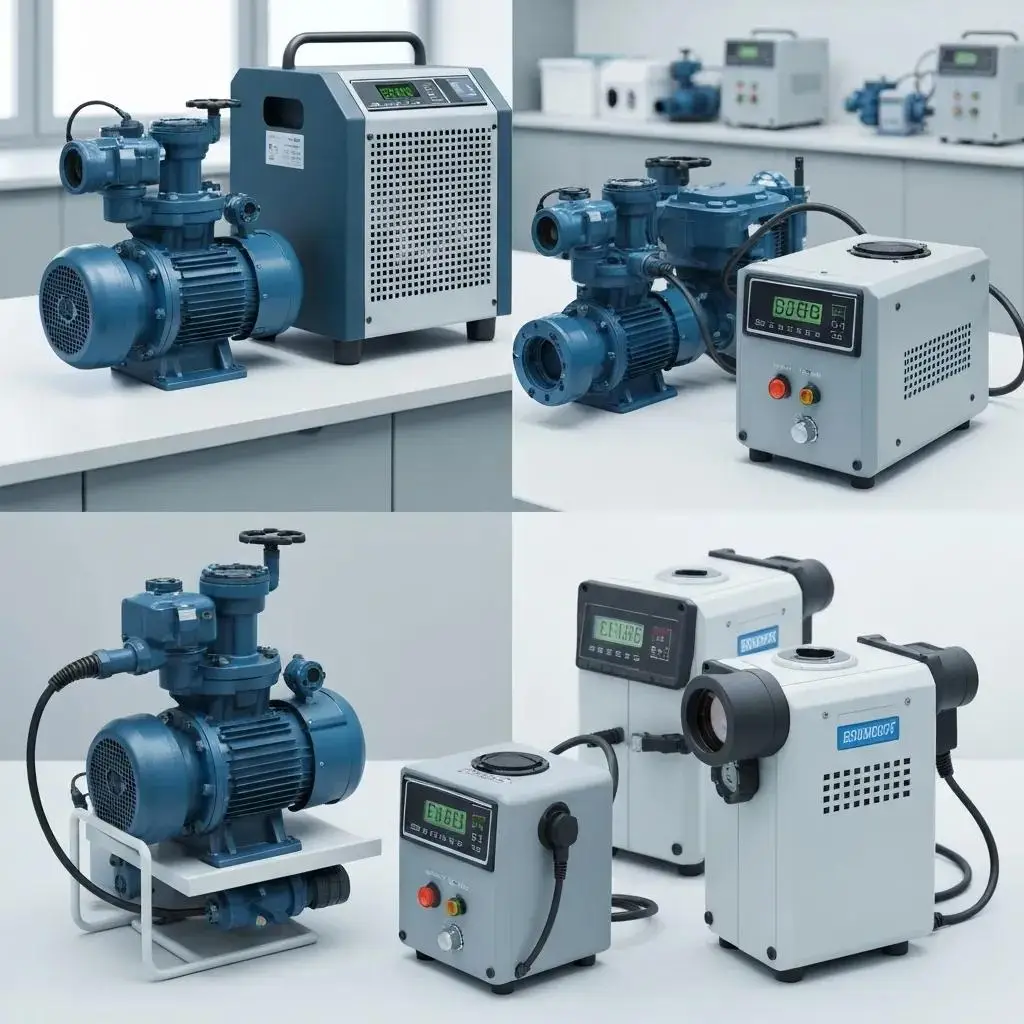
What Are High-Capacity Pumps and Vacuum Systems?
| Pump Type | Capacity (GPM) | Typical Use Case |
|---|---|---|
| Truck-Mounted Centrifugal | 1,000–2,000 | Effluent removal from commercial properties |
| Submersible Pumps | 500–1,200 | Basement and crawlspace extraction |
| Portable Vacuum Wands | 10–20 | Targeted moisture removal in carpets |
How Do Refrigerant and Desiccant Dehumidifiers Differ?
- Refrigerant units condense water at higher humidity levels and emit warmth, making them ideal for moderate climates and rapid moisture removal.
- Desiccant machines excel in low-humidity or low-temperature environments by directly adsorbing water vapor, ensuring consistent drying where refrigerant units become less effective.
Combining both types guarantees year-round performance and complete moisture control.
When Is Heat Drying and Controlled Demolition Necessary?
Heat drying elevates surface temperatures to accelerate evaporation in heavily saturated materials. Controlled, small-scale demolition—such as flood cuts or partial wall removal—provides direct access to concealed wet areas. These specialized techniques are crucial when moisture has deeply penetrated structural assemblies.
Applying heat and selective removal prevents long-term damage that surface drying alone cannot resolve.
How Is Thermal Imaging Integrated into the Drying Process?
Thermal imaging cameras scan walls, floors, and ceilings to identify temperature differentials caused by moisture. Technicians use these heat maps to strategically position air movers and dehumidifiers, ensuring every damp zone receives adequate treatment. Post-drying scans confirm the absence of residual moisture before restoration is finalized.
This technology ensures comprehensive coverage without unnecessary destruction.
How Does Professional Certification and Standards Impact Water Damage Drying?
Industry certifications and standards define best practices for safe, effective, and consistent water damage restoration from initial assessment to final completion.
What Is the Role of IICRC Certification in Water Damage Restoration?
IICRC certification signifies adherence to recognized procedures, safety protocols, and ethical guidelines established in the S500 standard. Certified firms demonstrate a commitment to ongoing training, quality assurance, and up-to-date techniques, ensuring dependable outcomes for clients.
ANSI/
IICRCS500 Standard for Professional Water DamageRestoration- Fifth Edition: 2021
The IICRCS500 standard outlines procedures and precautions for water damagerestorationin various building types. It is founded on restorationprinciples, research, and practical experience.
IICRC
, ANSI/IICRCS500 Standard for Professional Water DamageRestoration– Fifth Edition: 2021 (2021)
How Do Certified Technicians Ensure Effective Rapid Water Extraction?
Technicians trained under IICRC S500 guidelines follow structured inspection, extraction, drying, and monitoring protocols. They meticulously document moisture readings, adjust equipment based on psychrometric data, and verify dryness before concluding each stage. This methodical approach eliminates guesswork and prevents the need for rework.
A certified team’s disciplined process delivers measurable, reproducible results.
Why Is Adherence to IICRC S500 Standards Important?
The S500 standard codifies every facet of water damage restoration, from safety and health considerations to equipment calibration and documentation. Following these procedures protects property owners, technicians, and occupants by reducing liability and guaranteeing compliance with insurance carrier requirements.
Adherence to S500 ensures a transparent, accountable restoration process.
Why Choose American Water Restorations for Rapid Water Extraction in Edmonds, WA?
With 24/7 emergency response, cutting-edge technology, and extensive local expertise, American Water Restorations delivers swift, dependable solutions to minimize damage and restore your property efficiently.
How Does 24/7 Emergency Response Improve Water Damage Outcomes?
Round-the-clock availability ensures water is extracted before it can penetrate deeper into materials. Immediate action limits mold growth windows, reduces structural risks, and often lowers overall restoration costs by halting damage progression at its earliest stage.
What Advanced Technologies Does American Water Restorations Use?
Our IICRC-certified teams utilize truck-mounted pumps, industrial dehumidifiers, air movers, thermal imaging, and psychrometric monitoring to customize rapid extraction and drying plans for each unique situation. This synergy of tools delivers comprehensive, consistent results.
How Does American Water Restorations Assist with Insurance Claims?
Our specialists meticulously document damage, provide detailed moisture logs, and prepare professional reports that align with carrier requirements. By collaborating directly with adjusters and offering transparent estimates, we streamline approvals and minimize out-of-pocket expenses for our clients.
What Local Edmonds, WA Factors Influence Water Damage Restoration?
Edmonds, WA’s coastal humidity, fluctuating temperatures, and specific building materials demand regional expertise. Our technicians understand local climate patterns, common construction methods, and municipal regulations, ensuring efficient, compliant restoration that withstands Edmonds, WA’s environmental demands.
Rapid, professional drying not only halts damage but also adapts to local conditions for lasting protection.
Rapid water extraction and scientifically controlled drying offer unparalleled speed, thoroughness, and cost savings when compared to traditional methods. By integrating industry-leading equipment, IICRC-certified processes, thermal imaging, and psychrometric optimization, professional restoration stops mold before it starts and preserves your property’s structural integrity. Edmonds, WA homeowners and businesses benefit from 24/7 rapid response, expert insurance support, and technicians who understand local climate nuances. When every minute counts, choosing advanced water extraction and drying ensures a safe, healthy, and fully restored environment.
Contact American Water Restorations today to arrange an immediate assessment and shield your Edmonds, WA property from water damage’s hidden threats.