
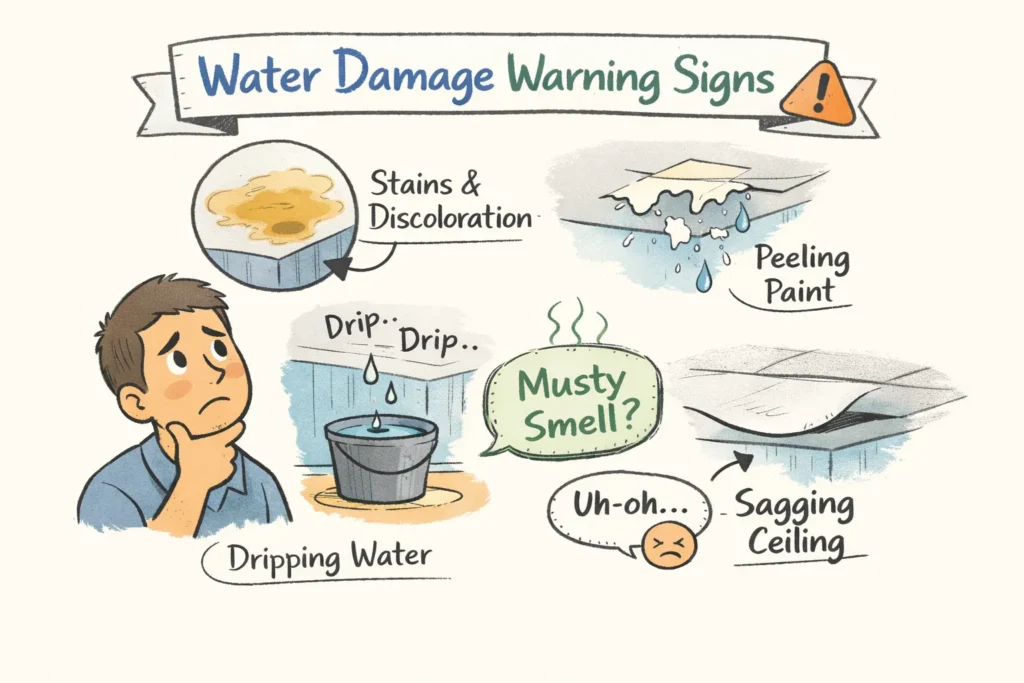
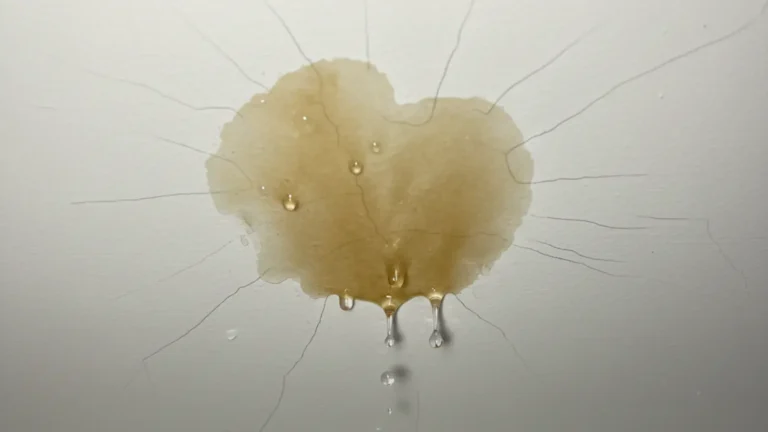
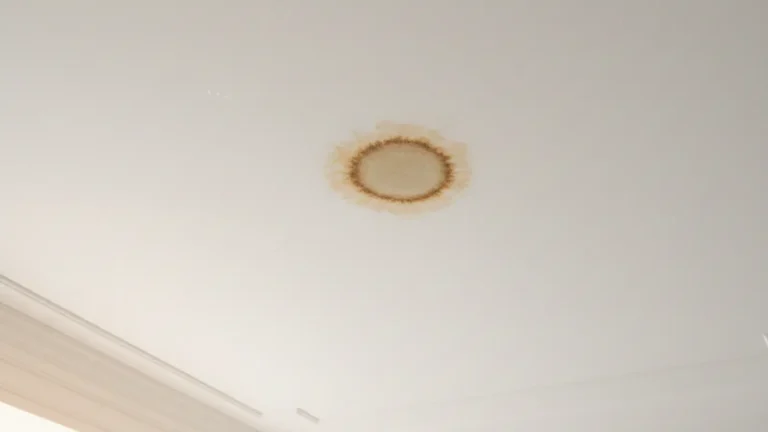
A small stain near a light fixture can be the first signal of a hidden leak, and spotting the early signs of water damage on ceiling can save money and avoid bigger repairs. Faint yellow or copper rings that darken into brown stains are common first clues; fresh marks may look shiny or wet after rain, while older spots dry out and feel powdery. Shine a flashlight into the attic and do a gentle touch test near the stain to check for dampness, and photograph what you find. Use the checks below to decide when to act.
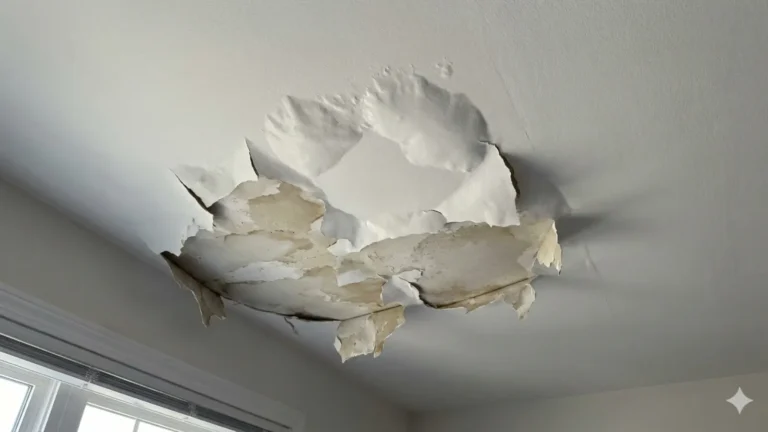
Peeling or bubbling paint is a clear warning that moisture has reached the drywall and adhesion has failed, sometimes within 12 to 48 hours of exposure. Press gently near any bubble; if it feels soft, damp, or releases moisture, do not paint over it and start drying the area. Arrange an inspection so the underlying leak can be located and fixed before cosmetic work begins. Covering bubbles with new paint only hides the problem and can let mold grow behind the finish.
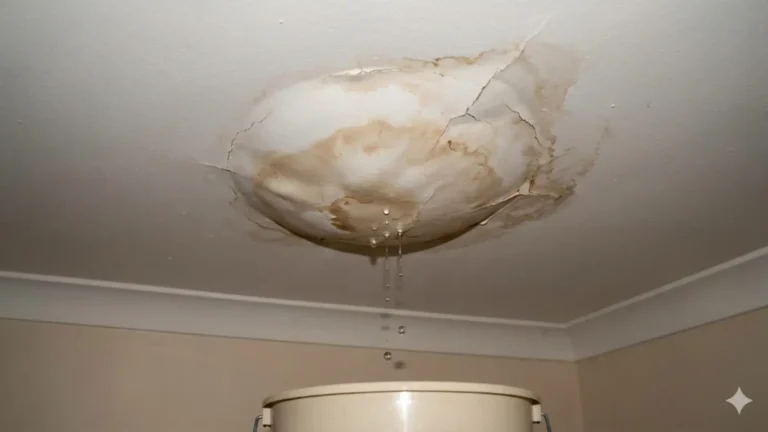
If you see sagging, soft spots, or a domed bulge, water is probably pooling above the drywall and the ceiling is under structural stress. Place a bucket under active drips and follow short-term triage steps later in this article to relieve pressure safely; leaving a bulge for days raises the risk of collapse. The next sections show how to spot mold and mildew, detect a musty attic odor, and tell roof leaks from plumbing leaks so you can choose the right repair. Fast action limits repair scope and reduces health risks.
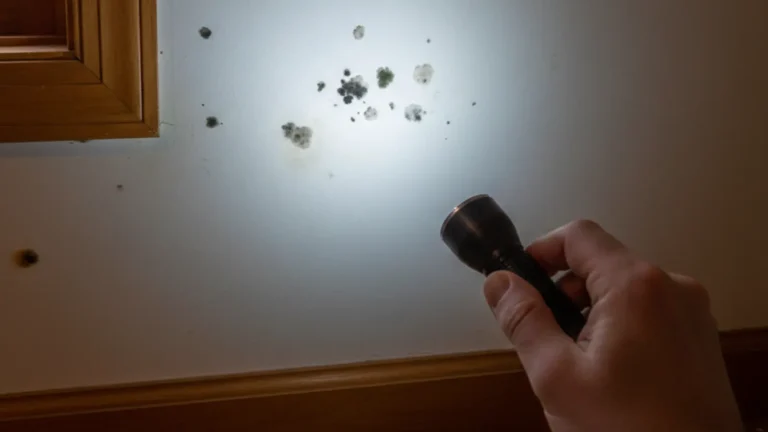
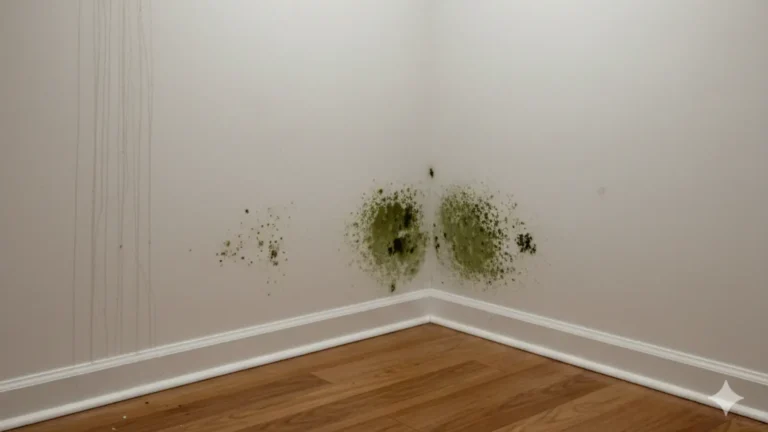
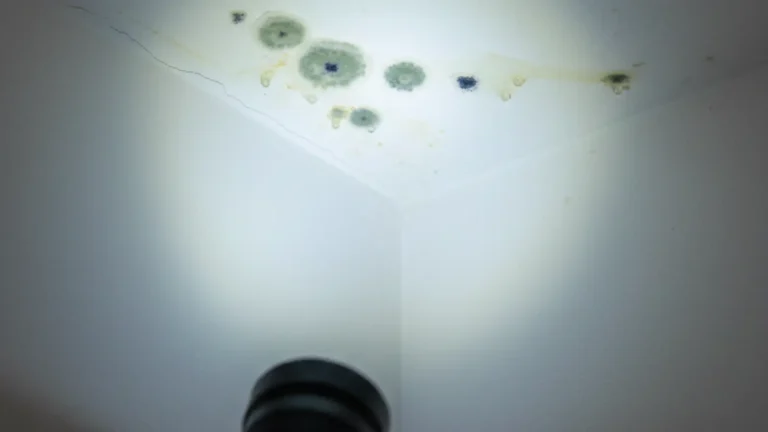
Not all leaks show themselves visually; a persistent musty odor in the attic or ceiling often appears before stains and signals trapped moisture and early mold growth. That damp, earthy smell may trigger respiratory irritation in sensitive people, so don’t ignore it. Photograph and monitor any small black, green, or white specks in seams and corners, which could be early mold colonies.
Condensation and surface dampness point to humidity or ventilation problems rather than an obvious localized leak. Condensation forms when warm, humid air meets a cool surface, so sweating on a ceiling or near fixtures often means hidden moisture or poor ventilation. Short-term measures include opening vents, running a dehumidifier, and arranging a professional inspection before mold takes hold.
Timing helps prioritize your response. Within hours of a plumbing failure or appliance overflow you may see paint blistering and tiny droplets on the ceiling, with bubbling or shiny streaks often appearing within 12 to 48 hours as moisture lifts paint from drywall. Rapid drying during this window limits visible damage and lowers the chance of mold taking hold, so document conditions for insurance and start drying measures immediately.
Between 24 and 72 hours, mold colonization can begin on porous materials, and small colonies may become noticeable within a week if moisture remains. Monitor seams, corners, and areas around fixtures; active drying and monitoring during this period can stop colonies from spreading and reduce hidden decay behind finishes.
Over two to four weeks, discoloration deepens and darker rings form as water wicks through drywall and insulation, and prolonged saturation weakens structural fibers so sagging becomes more likely. Use timing and location to narrow the source: roof leaks often appear after rain near exterior walls or with attic wetness, while plumbing leaks produce localized stains under bathrooms or kitchens independent of weather. If you’re unsure whether a stain is caused by a plumbing issue or the roof, resources that explain how to tell if it’s a pipe leak or roof leak can help guide your inspection. Arrange an attic or plumbing inspection when you notice these patterns so repairs can begin promptly.
When you spot a stain, act quickly to protect what you can. Move furniture and electronics out of the affected area, lift rugs and wet fabrics to a dry spot, and place buckets under active drips; cover belongings with plastic to reduce secondary loss. Photograph the damage and note the time and weather conditions to support any insurance claim.
To relieve a bulging ceiling safely, set a bucket beneath the lowest point and puncture that spot slowly with a screwdriver or awl so water drains into the bucket; controlled drainage reduces sudden weight that can cause collapse. After draining, apply a temporary patch of plastic or tape to limit further dripping and keep people clear of the area until a professional arrives. Call a licensed contractor if the ceiling sounds soft, cracks spread, or a large section sags.
If the leak involves plumbing, shut off the water supply and cut power to affected fixtures before touching wet areas to reduce electrical hazard. Begin drying with high-power fans and a dehumidifier while you arrange a professional assessment. These steps buy time and reduce long-term harm until restoration experts take over.
Simple steps can limit damage until professionals arrive. Isolate the area, protect contents, catch drips with buckets or shallow pans, and cover floors with plastic or a tarp. Run box fans and a dehumidifier continuously and check for sweating or condensation on drywall; only remove wet insulation if it is fully accessible and there’s no risk of contacting wiring. Monitor the spot every 24 to 72 hours for darkening, paint changes, or expanding dampness so you can tell whether the issue is stabilizing. For guidance on which quick repairs are safe to attempt and which require a professional, see this overview of DIY ceiling leak fixes — what’s safe and what’s not.
If you encounter any of these, shut off power to the area if it is safe, exit the room, and call restoration professionals and licensed tradespeople right away. Do not attempt major repairs when structural or electrical risk exists.
Our free inspection gives you a documented assessment and clear next steps. Our technicians perform a visual interior inspection and attic check, take moisture meter readings, and use infrared scans to reveal hidden water pathways. The consult ends with a written plan that separates active leaks from old, inactive damage so you address the right problem. For additional information on recognizing ceiling water damage and immediate response steps, see this practical guide to ceiling water damage: know the signs and what to do.
We respond 24/7 and dispatch IICRC-certified technicians equipped with industrial drying equipment, air movers, and proven mold remediation protocols. Technicians can set containment, begin drying, and document moisture levels for your insurer. When reconstruction is needed, we manage repairs and coordinate directly with insurers to limit paperwork and simplify claims handling.
Scheduling is simple: call or book online to request a same-day or next-available slot. Technicians typically arrive with moisture meters, infrared cameras, containment supplies, and temporary triage materials, and assessments usually take 30 to 60 minutes depending on complexity. Immediate actions may include shutting off water sources, placing drying equipment, and documenting conditions for your claim. Quick action on early signs stops mold, reduces structural loss, and keeps repair bills lower.
Spotting the early signs of water damage on ceiling lets you limit repair scope and cost. The first clues are often subtle: faint yellow or brown discoloration, a persistent musty attic odor, or slightly raised paint before obvious stains appear. Bubbling paint and sagging follow a predictable timeline if a leak continues, so document any changes and monitor areas at risk.
Take immediate steps: photograph the damage, check the attic for dampness, and shut off the source of water if it is safe to do so. For fastest mitigation and a documented plan your insurer will accept, contact American Water Damage Restorations for a same-day inspection and free leak detection consultation. Our team will start mitigation, manage the claim details, and schedule repairs so you can move forward with confidence. If you need additional perspective on early warning signs, this article on warning signs of water damage on your ceiling offers practical examples to compare with what you see at home.
We use cookies to improve your experience on our site. By using our site, you consent to cookies.
Manage your cookie preferences below:
Essential cookies enable basic functions and are necessary for the proper function of the website.
Google Tag Manager simplifies the management of marketing tags on your website without code changes.
Statistics cookies collect information anonymously. This information helps us understand how visitors use our website.
Google Analytics is a powerful tool that tracks and analyzes website traffic for informed marketing decisions.
Service URL: policies.google.com (opens in a new window)
Marketing cookies are used to follow visitors to websites. The intention is to show ads that are relevant and engaging to the individual user.
Google Maps is a web mapping service providing satellite imagery, real-time navigation, and location-based information.
Service URL: policies.google.com (opens in a new window)